

I have previously discussed the immense power of Coca-Cola's unified visual identity system. Today, I want to explore a different angle: why does Coca-Cola extend its reach beyond just keychains and bottle openers to include items like oven mitts, phone cases, trays, and even products that seem to have no connection to beverages at all?
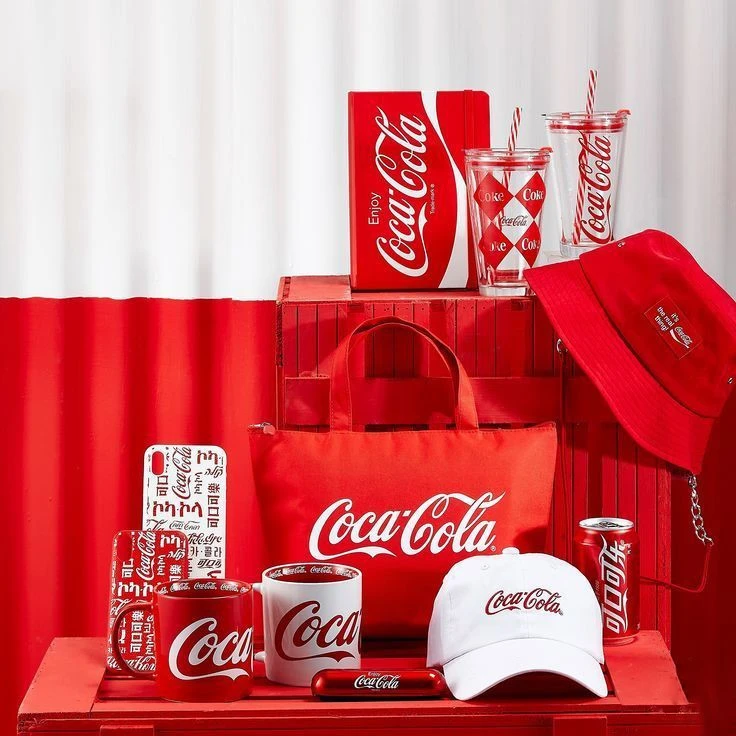
To answer this, consider your own daily routine:
--In the kitchen, you might see branded oven mitts or storage containers.
--In your everyday life, phone cases and keychains keep the brand quietly by your side.
--Whether at home or outdoors, trays and various lifestyle products ensure the brand's presence extends far beyond the mere act of drinking.
Therefore,
if you want your beverage brand to gain greater exposure, you shouldn't limit that visibility to the moment of purchase or consumption. The key lies in allowing the brand to integrate naturally into daily life through countless small touchpoints.
Scene expansion
- from bars and restaurants into homes, travel, and personal spaces
Passive familiarity
- repeated exposure builds recognition without active attention
Lifestyle integration
- the brand becomes part of daily routines
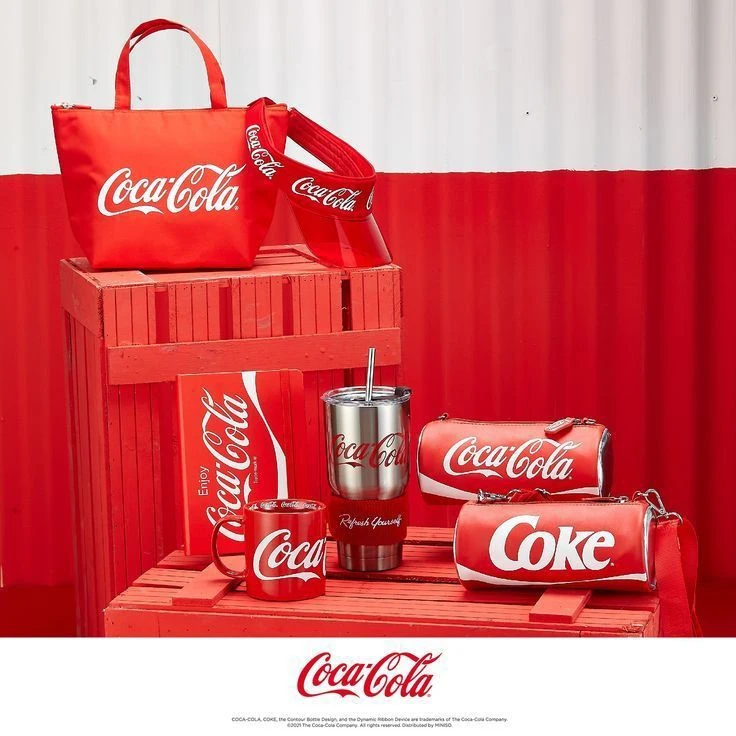
Coca-Cola has successfully gone beyond viewing promotional items merely as products, treating them instead as a way to integrate the brand into everyday life.
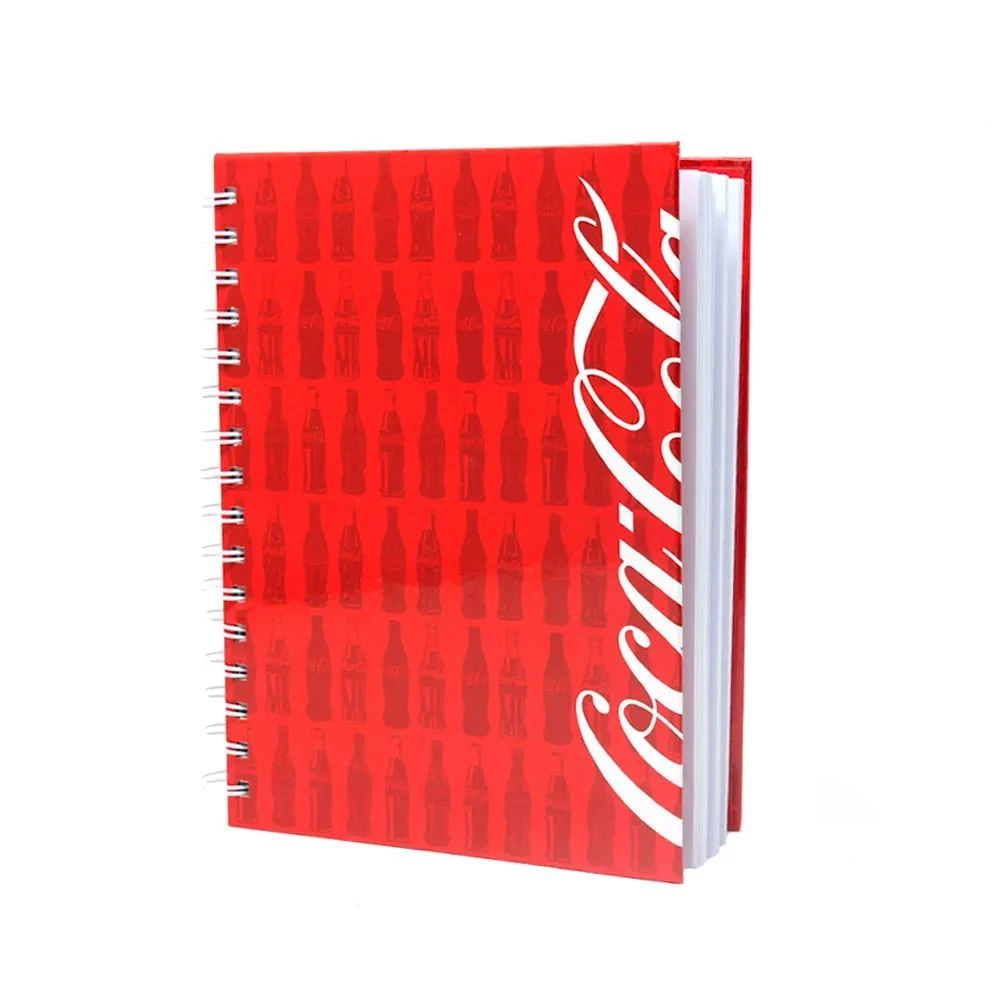
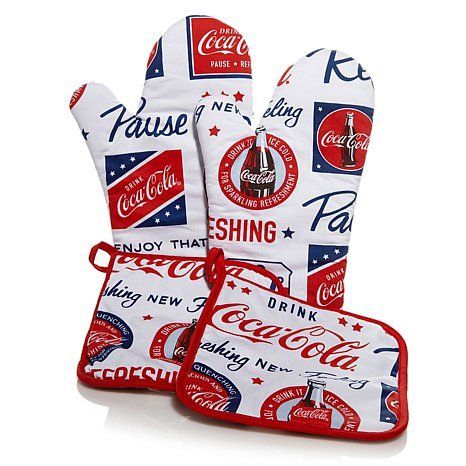
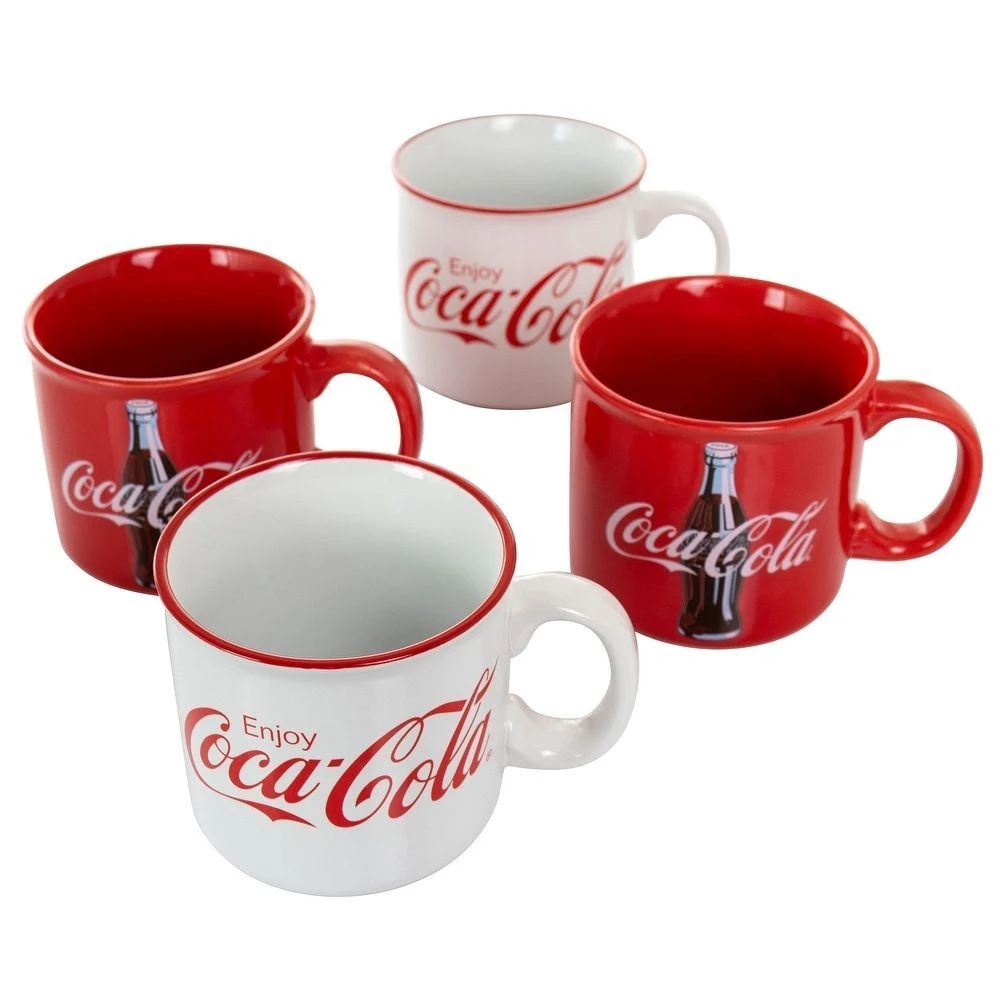
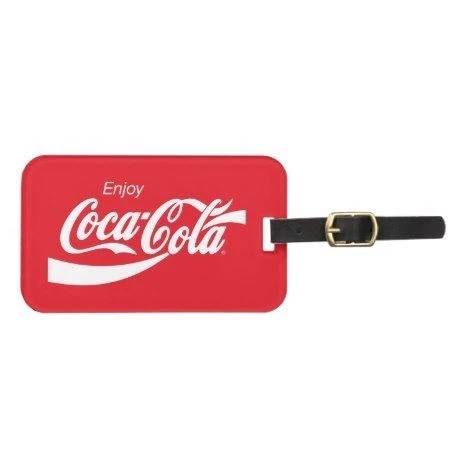
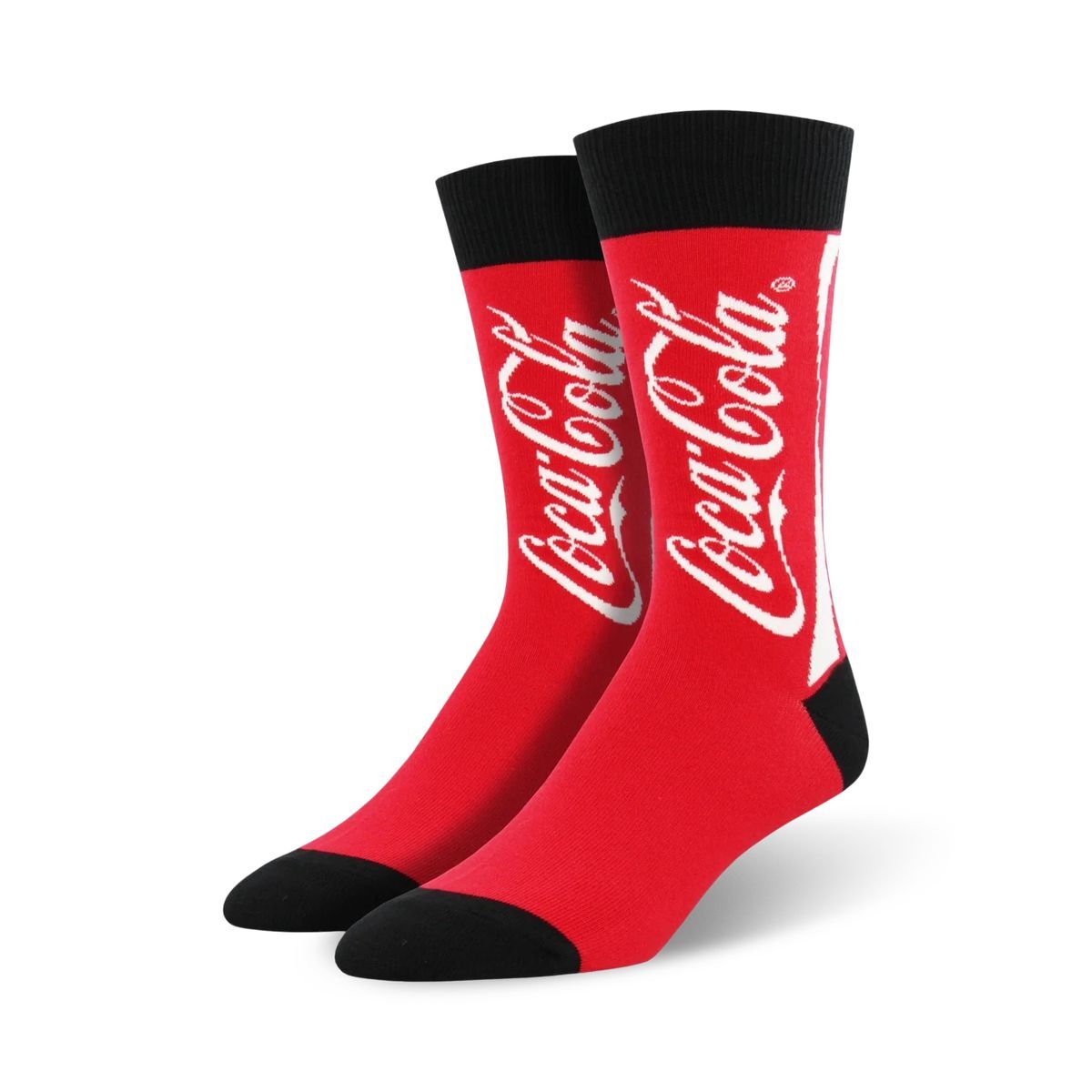

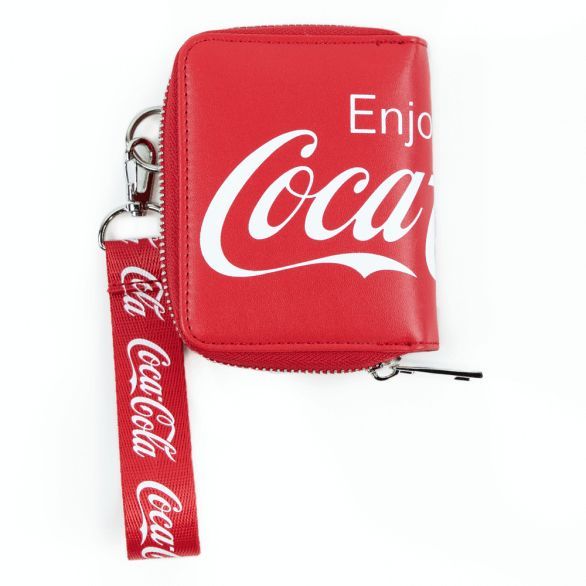

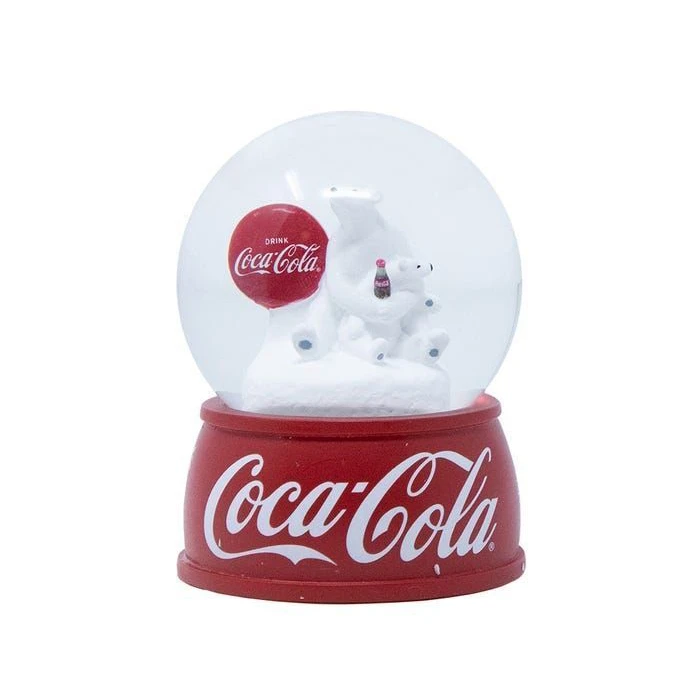

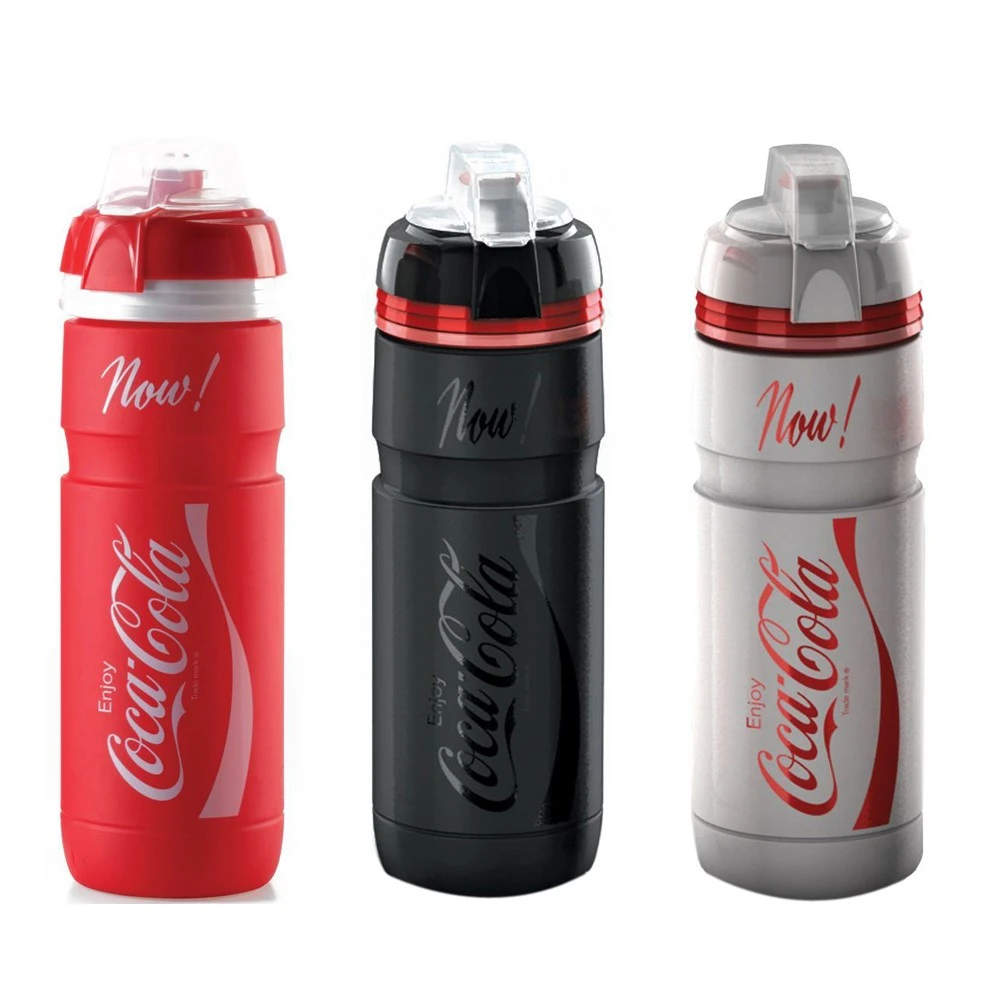
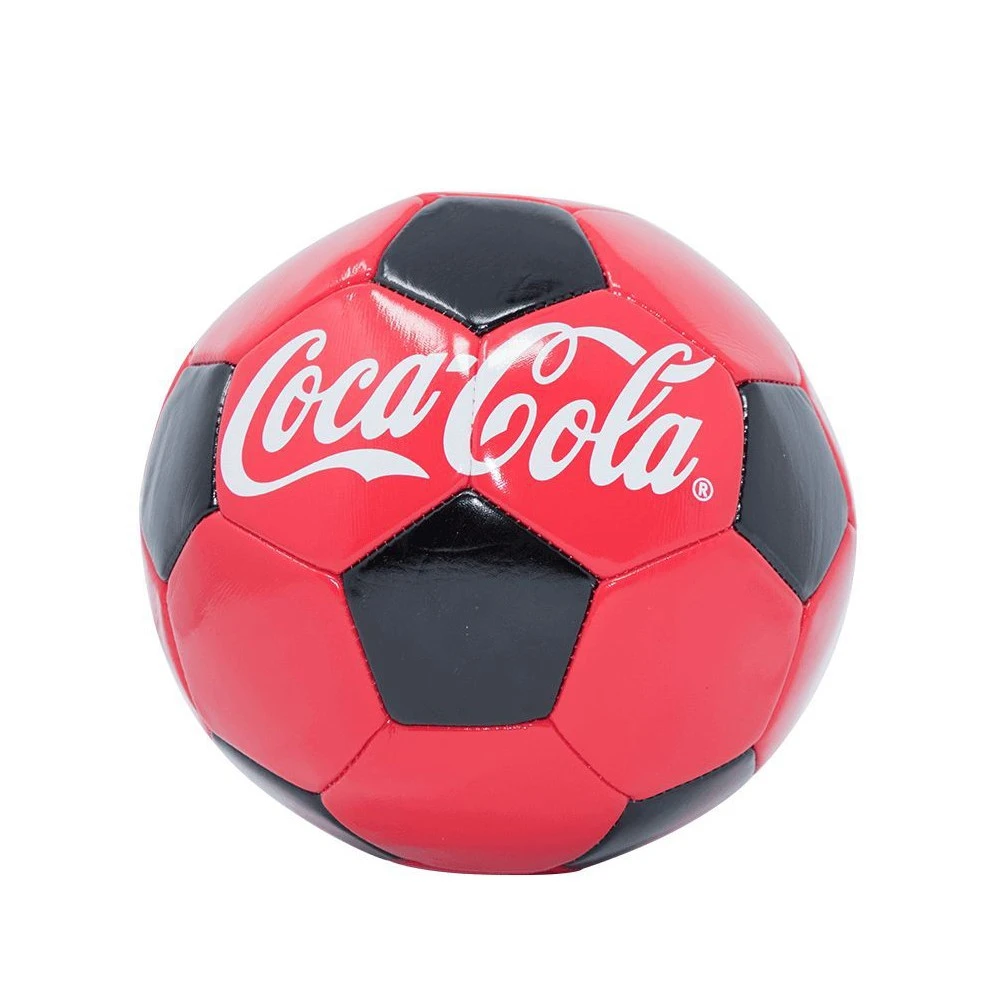

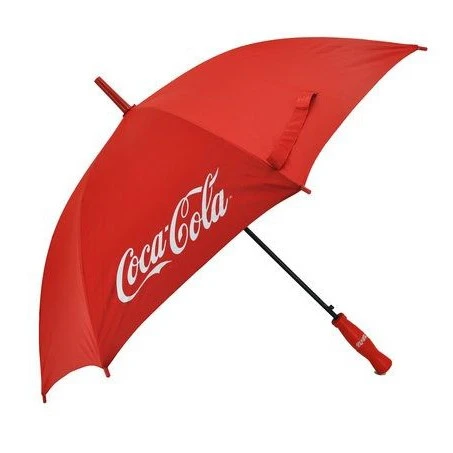
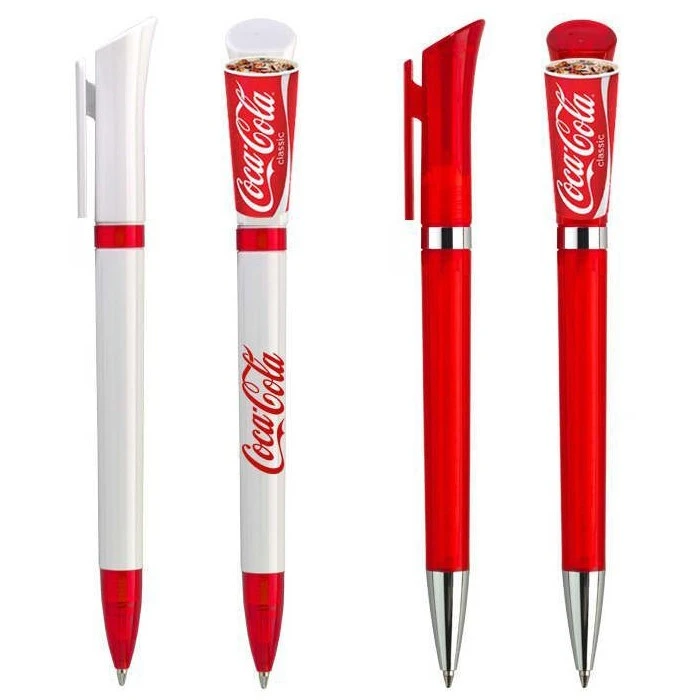
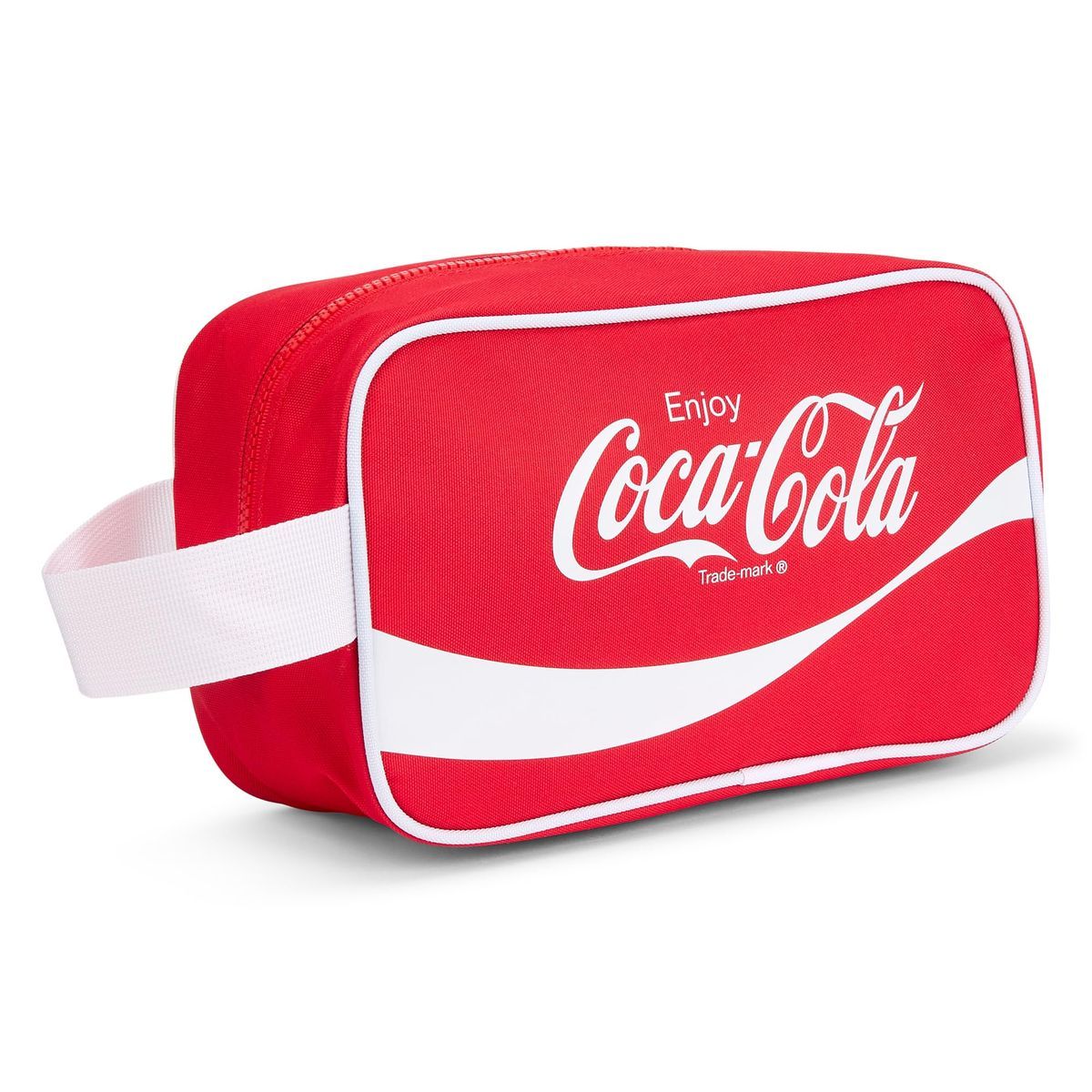
If you are struggling with how to boost brand exposure, Coca-Cola offers an excellent case study. Design promotional items not just for "consumption moments," but with a focus on "moments of everyday life."